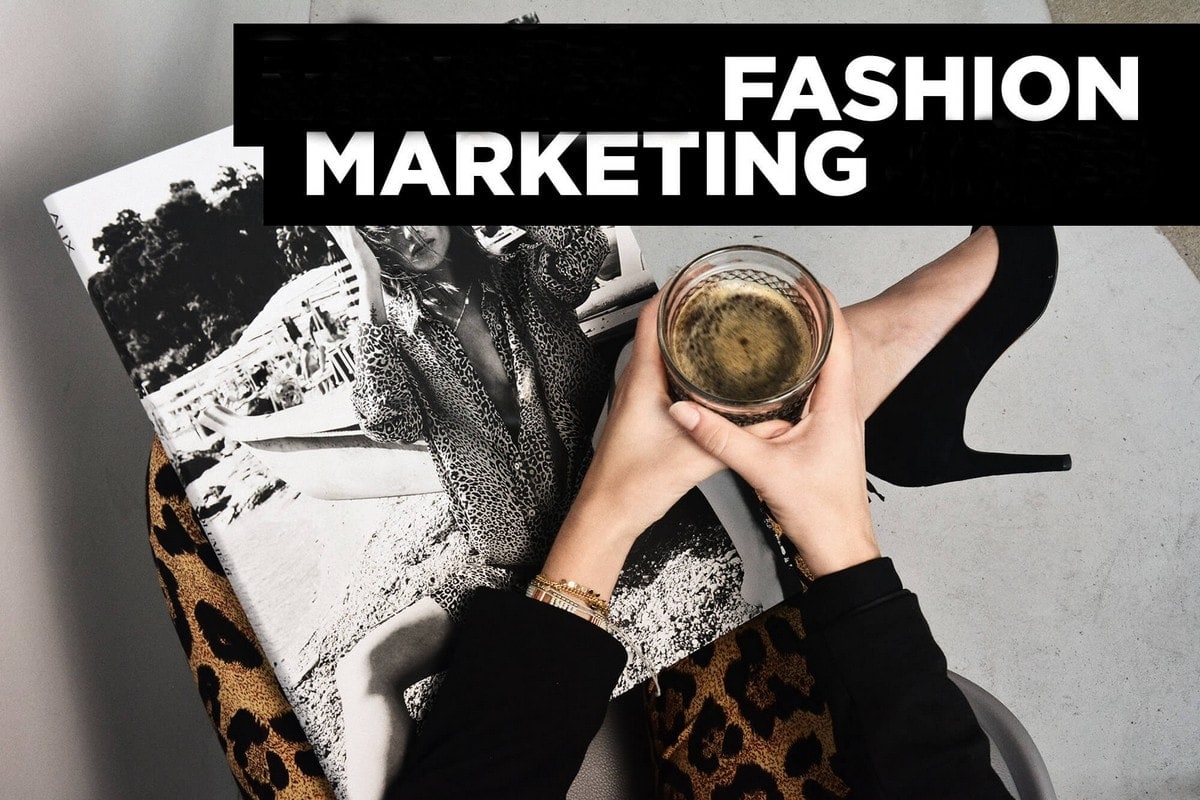
Fashion marketing is the dynamic business function that connects fashion brands with consumers by translating creative design into commercial success. It blends creativity with strategy, combining branding, consumer psychology, trend forecasting, communication, retail management, and digital innovation. In an industry driven by rapid change and cultural influence, fashion marketing plays a crucial role in shaping how products are perceived, desired, and ultimately purchased.
At its core, fashion marketing focuses on understanding the target market. Consumer behavior is central to every decision, from pricing and product placement to advertising tone and distribution channels. Fashion marketers conduct market research to identify customer preferences, lifestyle habits, purchasing power, and emerging trends. By analyzing demographic and psychographic data, they ensure that products resonate with specific audiences, whether luxury buyers, fast-fashion consumers, or niche sustainable fashion supporters.
Branding is another essential element of fashion marketing. A strong brand identity differentiates one label from thousands of competitors. Successful global brands such as Gucci and Nike have cultivated distinctive brand images that communicate clear values and lifestyles. Gucci emphasizes luxury, heritage, and bold creativity, while Nike promotes performance, empowerment, and athletic excellence. Through logos, packaging, storytelling, and visual aesthetics, fashion marketers build emotional connections that encourage brand loyalty.
Advertising and promotion are major components of the field. Traditional marketing channels include print magazines, billboards, television commercials, and fashion shows. However, digital platforms now dominate the industry. Social media networks like Instagram, TikTok, and Pinterest allow brands to reach global audiences instantly. Influencer marketing has become especially powerful, as fashion influencers and celebrities showcase products to millions of followers. Campaigns featuring figures such as Zendaya can significantly increase brand visibility and desirability. Content marketing, email campaigns, and search engine optimization further enhance online presence and customer engagement.
Fashion marketing also involves visual merchandising and retail strategy. In physical stores, window displays, lighting, store layout, and product arrangement are carefully designed to attract attention and encourage purchases. Flagship stores in fashion capitals such as Paris, Milan, and New York City serve not only as retail spaces but as brand experiences. Online retail, or e-commerce, requires equally strategic presentation through high-quality images, user-friendly websites, virtual try-ons, and seamless checkout processes.
Trend forecasting is another significant aspect of fashion marketing. The industry moves quickly, often planning collections months or even years in advance. Marketers monitor cultural shifts, economic conditions, social movements, and global events to predict what consumers will want next. For example, the rise of sustainability concerns has pushed brands to highlight eco-friendly materials and ethical production practices in their marketing messages. Companies that effectively communicate sustainability initiatives often gain a competitive advantage among environmentally conscious consumers.
Pricing strategy is closely linked to brand positioning. Luxury brands adopt premium pricing to reinforce exclusivity, while fast-fashion retailers use competitive pricing to appeal to mass markets. Marketers must balance perceived value with affordability, ensuring that customers feel the product justifies its cost. Promotional tactics such as seasonal sales, limited editions, and collaborations further stimulate demand.
In today’s globalized economy, fashion marketing operates on an international scale. Brands must adapt their messaging to different cultures while maintaining consistent brand identity. Global campaigns may be tailored to regional preferences, languages, and traditions. Digital connectivity has made cross-border marketing more accessible, but it also increases competition, requiring brands to innovate constantly.
Ultimately, fashion marketing is about storytelling and experience creation. It transforms clothing and accessories into symbols of identity, status, and self-expression. By combining creativity with analytical strategy, fashion marketers influence trends, shape consumer desires, and drive the financial success of fashion businesses. As technology continues to evolve, fashion marketing will increasingly integrate data analytics, artificial intelligence, and immersive digital experiences, ensuring that it remains a vibrant and essential part of the global fashion industry.
- Teacher: Admin User